Buying a Hardcover Dot-Grid Notebook: Paper Weight, Page Numbers and the 160gsm Trap
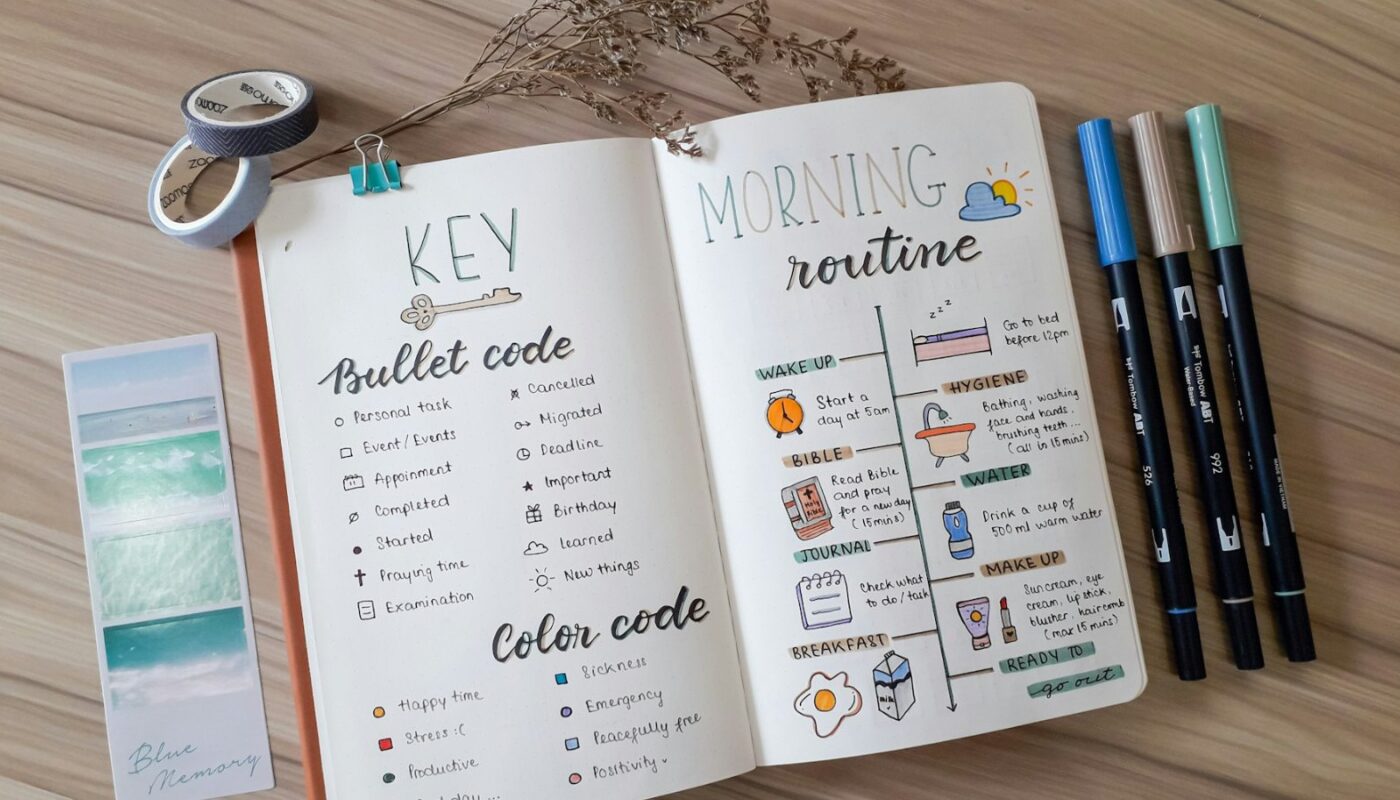
Dot-grid notebooks occupy an unusual retail space where a handful of long-established European manufacturers sit alongside a churn of near-identical own-brand books, many of them sold under names that exist for a single season. Choosing well is not difficult, but it does require ignoring the specification that gets promoted hardest. Paper weight in grams per square metre is the number on every listing and it is close to useless on its own. What follows covers the brands with a verifiable manufacturing history, and the properties that actually separate them.
A note on brands that turn out not to exist
It is worth starting with a caution, because this category attracts phantom products. Searching for a supposed Nomad Journal, for instance, turns up self-published print-on-demand titles listed under an author name of Nomad Journals on Amazon and Walmart, rather than a stationery manufacturer with a product line, a paper specification or a warranty. There is no company page, no paper mill relationship and no independent testing.
That pattern repeats across the category. Before buying, check whether the brand has a website that names its paper supplier and states a gsm figure, whether reviewers who test with fountain pens have written about it, and whether the same photographs appear under three different names on marketplace listings. The brands named below all pass those checks.
The reason this matters practically rather than pedantically is consistency. A notebook is bought repeatedly, and a brand that maintains a paper specification across years lets a user who has found something they like buy the same thing again in five years’ time. A marketplace label with no mill relationship cannot make that promise, and the paper inside two books bearing the same name may not be the same paper at all.
Grams per square metre measures thickness, not behaviour
Paper weight describes mass per unit area. It correlates loosely with how much ink a sheet can absorb before showing through, and not at all with feathering, which is ink spreading sideways along the fibres. The two failure modes have different causes. Bleed-through is about thickness and absorbency; feathering is about surface sizing and fibre structure.
This is why an 80gsm sheet from a mill that sizes its paper properly can outperform a 160gsm sheet that does not. Leuchtturm1917’s standard A5 books use 80gsm paper, and they handle most gel and rollerball inks cleanly while showing some ghosting with wet fountain pens. Clairefontaine’s paper, used in Rhodia’s Webnotebook at 90gsm, is widely regarded among fountain pen users as the more forgiving surface despite weighing only ten grams more. The mill matters more than the number.
Colour matters too, and it is rarely discussed. Rhodia’s Webnotebook uses ivory paper, which warms every ink laid on it and flatters browns and blue-blacks while dulling bright colours. Leuchtturm1917’s stock is closer to a neutral off-white. Neither is better, but anyone who has chosen inks carefully will find one of the two changes them more than expected.
The three long-established options, compared on what differs
- Leuchtturm1917 A5 hardcover, dotted: 80gsm, 251 numbered pages, around £21.50 in the UK. Numbered pages and a blank index are the reason most bullet-journal users choose it; it also includes an elastic closure, two ribbon bookmarks, a rear pocket and archival stickers.
- Rhodia Webnotebook A5, dot grid: 90gsm ivory Clairefontaine paper, elastic closure and a single bookmark, with a wipeable cover. Reviewers consistently rate its fountain pen performance above the alternatives. Pages are not numbered, which the Mountain of Ink review flags as its main shortcoming.
- Moleskine hardcover dotted: the most widely stocked of the three and the weakest performer on paper. Its acid-free sheets show noticeably more feathering and bleed with fountain pens than either competitor, and it is bought for the cover, format and availability rather than the writing surface.
- Format note: all three use a sewn binding that lies reasonably flat once broken in, which cheaper glued-spine books do not.
- Dot spacing is worth checking against habit: 5mm is the common standard across these brands, and books using a wider grid change how much fits on a line in a way that is obvious only after a week of use.
The 160gsm tier, and why heavier does not settle it
A separate category has grown up around 160gsm paper aimed at bullet journalling with brush pens, markers and watercolour. Archer & Olive and Scribbles That Matter are the two names most associated with it. The pitch is that thicker paper stops marker bleed, and to a point it does.
It does not follow that these are better notebooks for writing. Stationery Nerd’s testing of the Archer & Olive 160gsm book scored it at 55% and declined to recommend it, reporting significant feathering with fountain pens and finding that only four of ten art supplies passed without unacceptable bleed-through. The reviewer attributes this to the paper being uncoated, allowing inks to soak into the fibres, and notes that at 28 to 38 US dollars before shipping, with international costs reportedly reaching $60 and above, it is hard to justify against cheaper books that tested better.
That is one reviewer’s methodology rather than a laboratory standard, and other testers rate these books more kindly for their intended use with brush markers. The point is that 160gsm is a specification for a particular medium, not a general upgrade.
Scribbles That Matter offers a useful illustration of the tiering, selling both a standard book and a Pro version with 160gsm paper at a higher price, which makes the weight increase a deliberate purchase rather than a default. That is the right way to approach the category: decide what medium the book is for, then buy the paper that suits it.
Working out which one belongs on your desk
- Identify the wettest pen you use regularly, since that instrument sets the requirement and everything drier will be fine
- Decide whether numbered pages and an index matter, because this is the clearest functional split between Leuchtturm1917 and Rhodia
- If brush pens or markers are central, look at the 160gsm tier but read testing for the specific inks you own rather than trusting the weight figure
- Check page count against price rather than comparing headline prices, as 251 pages against 192 changes the cost per page substantially
- Buy one book before buying three, because paper preference is genuinely personal and no amount of specification reading substitutes for writing a page
Sources: Jackson’s Art, Leuchtturm1917 A5 hardcover dotted 80gsm listing · Mountain of Ink, Rhodia Webnotebook review · Stationery Nerd, Archer & Olive 160gsm dotted notebook review · JetPens, black notebook comparison of Moleskine, Leuchtturm1917 and Rhodia