Is Tello Cheap Enough to Make You Switch?
Pull up your last phone bill and look at one number: how much data you used. Not what the plan allows. What you used. For a lot of people who spend their days near home or office Wi-Fi, that figure is small, and they’re paying every month for a pile of gigabytes they never touch.
Tello is built for exactly that person. It’s a prepaid, no-contract US carrier where you pick how much data, talk and text you want instead of buying a big bundle. Reviewers at PhoneCompass and CoverageMap describe it as running on T-Mobile’s towers, so coverage tracks T-Mobile’s. The real question is whether the savings are big enough to justify switching.
📱 Build a Tello plan and see your monthly price
What you get for the money
The core idea is a build-your-own plan. Plan reviewers including UpPhone and PhoneCompass describe a setup where you choose your data, minutes and texts, pay month to month, and can move the plan up or down whenever your needs change. There’s no contract to break and no credit check, according to plan-comparison sites such as MoneySavingPro.
A few features matter more than they look. Tello’s blog says Wi-Fi calling is free, with calls and texts coming out of your normal allowance, which helps in a basement apartment or a building with weak signal. The company also sells eSIMs, which Tello says you activate from the My SIM section of your account by scanning a QR code. And its international-calling pages list Canada and Mexico among the destinations you can call using plan minutes.
Then there’s a feature that’s easy to overlook. Tello’s Help Center describes a Park Number plan that keeps your number for a small monthly fee while service is paused. Handy if you travel for months at a time or keep a second line you only need occasionally.
The math, done as a method
Tello’s prices change and promotions come and go, so rather than quote numbers that’ll be stale by next month, here’s how to run the comparison yourself. It takes about ten minutes.
First, find your real usage. Your current carrier’s app or online account shows data used per billing cycle. Look at the last three months and take the highest, not the average. That’s your safety margin built in.
Second, total what you pay now, after taxes and fees, per line. The bill’s bottom line, not the advertised plan price.
Third, go to Tello’s plan builder and set the data to the next tier above your highest month. Note the monthly price, then add an estimate for taxes, since prepaid plans show those at checkout.
Multiply the difference by twelve. That annual figure is the number that matters. If it’s enough to cover something you’d notice, like a streaming subscription or a tank of gas a month, the switch has paid for itself.

Clearing the bar before you switch
The savings only count if your phone works on day one, so check three things first.
Your phone. Tello’s bring-your-own-phone page says the device must be unlocked and VoLTE-compatible. Its compatibility checker can’t confirm lock status, so ask your current carrier whether your phone is unlocked before you order.
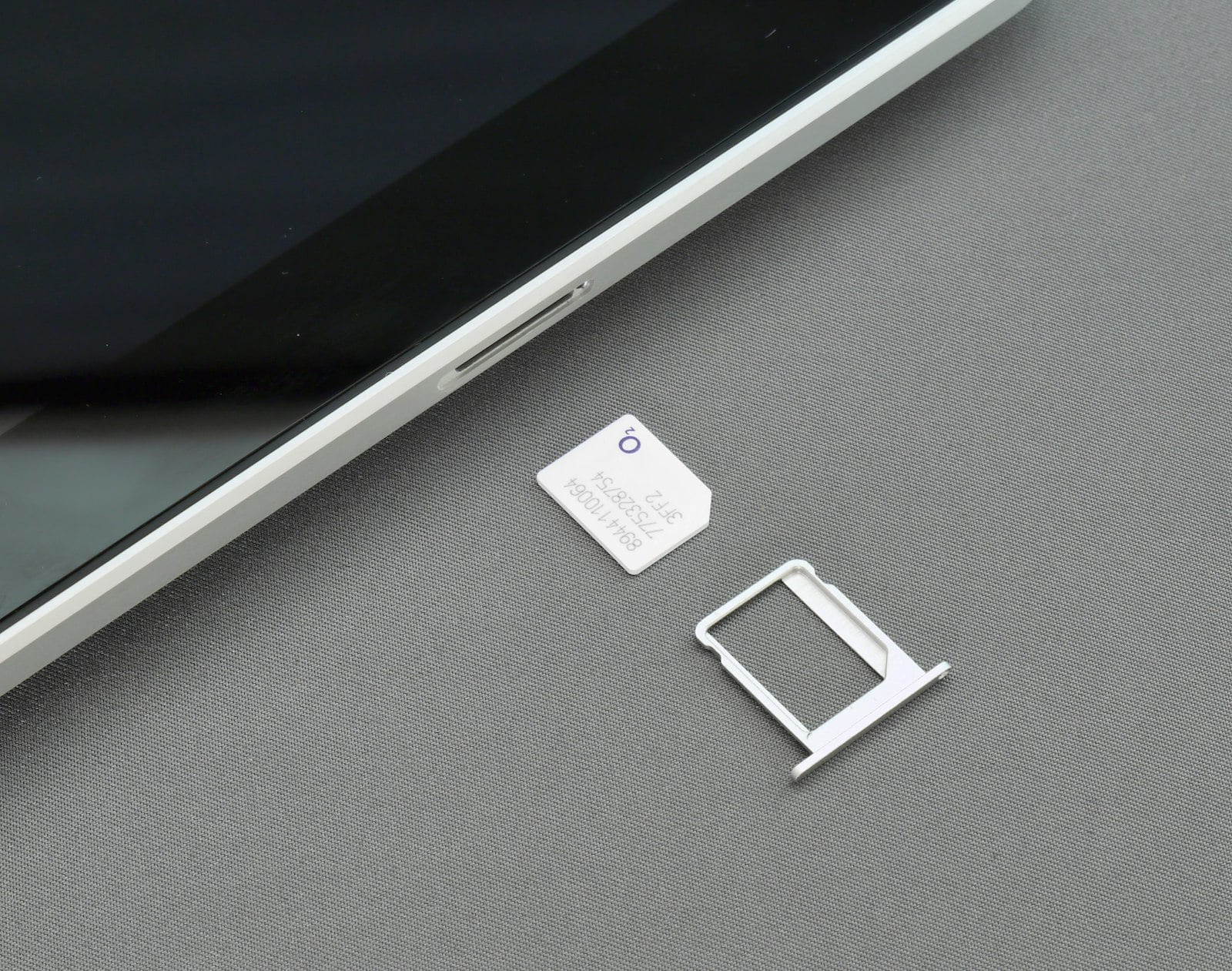
eSIM or physical SIM. Tello says eSIM works on newer devices from Apple and Google, among others. You can check compatibility by entering your IMEI at checkout. If your phone is older, go with the physical SIM.
Coverage where you live. Tello’s Help Center points customers to its coverage map. Check your home, your workplace and anywhere you drive regularly.
Your number. Tello’s Help Center says the Number Transfer form becomes available once the eSIM is installed and working, and it then replaces the temporary Tello number with yours.
✅ Check if your phone works with Tello
Who comes out furthest ahead
The biggest winners are light and moderate data users who are currently on a mid-tier or unlimited plan they don’t need. That covers a lot of remote workers, retirees and students who live on campus Wi-Fi.
Parents buying a first phone for a kid do well here too. You can start small, see how the kid uses it, and adjust the plan the next month without a contract tying you down.
It’s also a smart second line. Someone running a side business, or anyone who wants a separate number for listings and deliveries, can keep a lean plan running cheaply, and park it if it goes quiet for a season.
Heavy streamers who never touch Wi-Fi will get less out of it, and that’s fine. A carrier like this rewards people who know their numbers.
Getting the most out of a Tello line
Turn on Wi-Fi calling the day you activate. You’ll need to add an E911 address in your Tello account, which Tello says is required for the feature, and after that calls on home Wi-Fi don’t depend on cell signal at all.
Set your phone to prefer Wi-Fi for data, then check usage after the first full month. If you used well under your allowance, step the plan down. If you came close, move it up. That freedom to adjust is the whole point, so use it.
Once your plan matches your real life, you stop paying for the version of you that streams in the car all day. Most people find that’s a smaller, cheaper version than they expected.