How to Track Sleep and Recovery at Home Without a Smartwatch Screen

Most people who want to know how they slept end up shopping for a smartwatch. Then the watch arrives, and it lights up every time a group chat moves. It wants a charge every night or two, so it spends the night on the nightstand, which is exactly where it can’t measure your sleep.
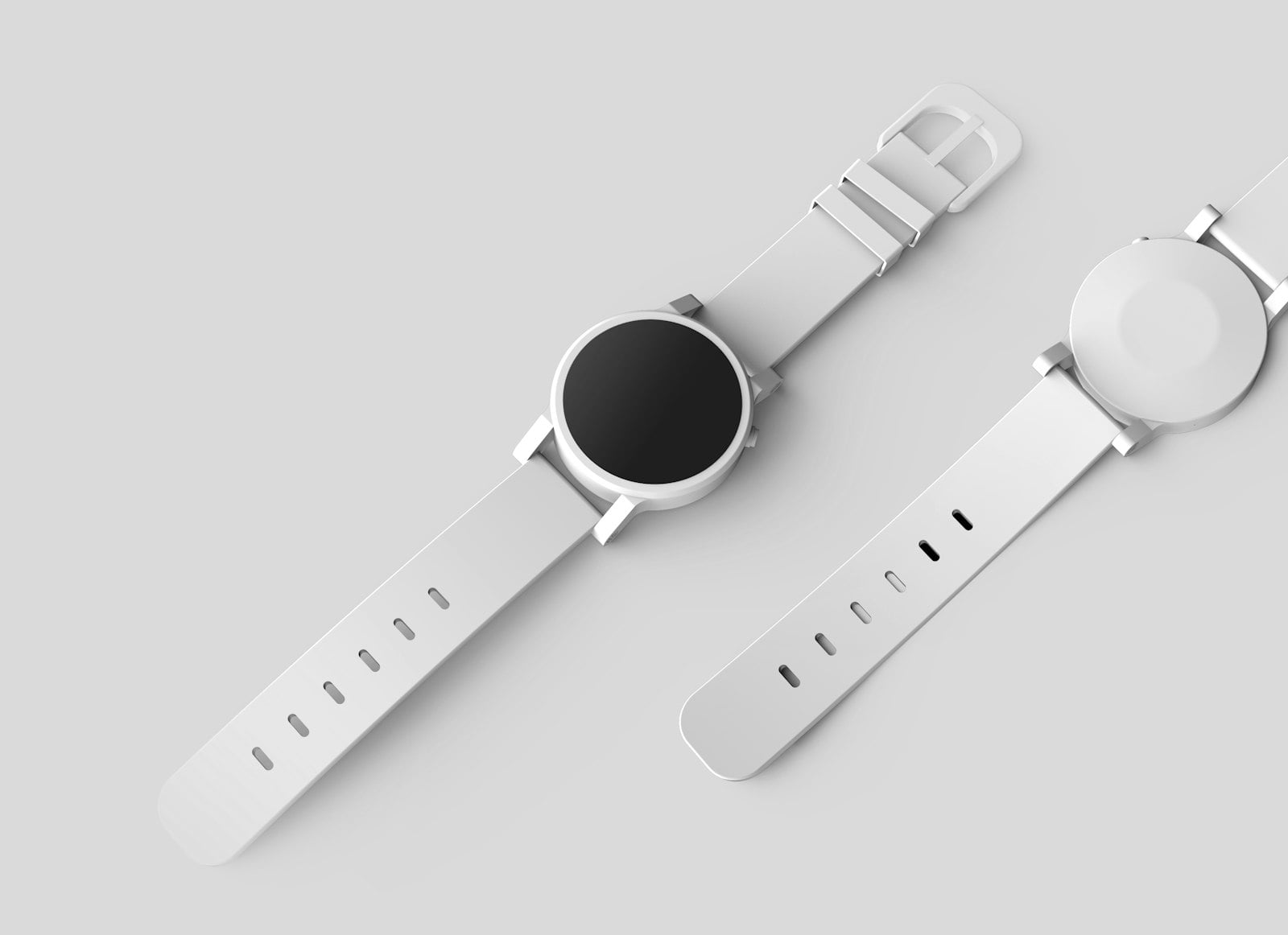
Here’s the correction: a health tracker doesn’t need a screen. The useful part sits on the underside of the strap, where the sensors touch your skin. The screen is a phone you already own, strapped to your wrist a second time.
That’s the idea behind the Hume Band from Hume Health. It has no display at all. It sits on your wrist, records overnight and through the day, and sends everything to the Hume Health app on your phone. Hume also makes a body composition scale, the Hume Pod, and both devices report into that same app.
⌚ See the screenless Hume Band
The screen was never doing the work
On the Hume Band 2.0 product page, Hume says the band uses 5 LEDs and 4 photodiodes. That optical array is what reads your pulse through the skin, and it works the same with or without a display above it. Independent reviews at Cybernews and Wareable both point out that the band has no screen, so you check your numbers on your phone.
Some people will miss the glance at the wrist. Plenty won’t. There’s no buzzing during dinner, nothing glowing at 2 a.m., and nothing asking you to close a ring. You get a quiet strap with a fabric band, and Hume describes its newer UltraLux strap as lightweight and breathable.
That matters more than it sounds, since you only get sleep data if you’re willing to wear the thing to bed.
What it records while you sleep
Hume lists the band’s raw data as continuous heart rate, heart rate variability (HRV), blood oxygen (SpO2), skin temperature and respiratory rate. It also tracks sleep stages (light, deep, REM and awake), sleep quality and efficiency, activity, and strain and recovery. In the app, those signals are rolled into scores. Hume’s own screenshots show an energy and recovery score out of 100, along with labels for sleep debt and recovery.
Read all of this as estimates. A wrist sensor is guessing at your sleep stages from movement and heart signals, and a recovery score is a model’s opinion of your morning. Neither one is a diagnosis. Wareable’s reviewer reported that some heart rate readings looked off. The most useful thing the band can do is show your own pattern over weeks: HRV sliding during a stressful stretch at work, or sleep getting choppy after late dinners. If a reading worries you, take it to a doctor, not to the app.
How to set up a body check at home
The routine is simple, and most of it comes down to consistency.
Pair the band with the Hume Health app. Hume says it needs an iPhone 8 or newer on iOS 14 or later, or an Android phone on Android 8.0 or later. After setup, the app’s FAQ says the band syncs health and activity data automatically whenever it’s connected. Hume also says the band works with Apple Health and Google Fit, so the data doesn’t have to stay in one place.
Then wear it every night, including the boring ones. HRV and recovery readings mean much more against your own baseline than they do on any single day, and that baseline takes a couple of weeks to form. Hume quotes up to 14 days of battery with typical use and notes that frequent syncing and continuous tracking can shorten that. Either way, charging it while you shower beats charging it overnight.
Check the app once in the morning, then put your phone down. The band works best as a morning briefing.
Where the Hume Pod fits
Hume calls the Pod “an optional companion device” and says the band works on its own for daily tracking. If you want the fuller picture, the Pod is a bioelectrical impedance (BIA) scale with sensors in the platform and in a pair of handles. Hume says it reports 45 body composition measurements, including muscle mass, body water and a left-versus-right limb comparison. Once it’s paired, the app’s FAQ says, results sync after each scan.
Putting both in one app gives you more context. Hume says its Health Score draws on body composition, heart markers, sleep, recovery and activity, so the scale reading sits next to the week of sleep that led up to it. People who track strength training or long-term health habits often find that more useful than any single weigh-in. The band’s page also shows a “scale impact” label on the dashboard, though Hume doesn’t explain how it’s calculated.
If you have a history of disordered eating, you can use the band on its own and leave the scale out, and it’s worth talking with your doctor before adding any body measurement to your routine.
🔗 Pair the Band with a Hume Pod
Membership, returns and fit
The app. Hume says no subscription is required to use the band or access your raw data. A premium tier adds AI-driven insights and coaching. Check the current price on Hume’s site before you decide, because promotions there change often.
Returns. Hume advertises a 45-day return policy. On the band page, it says this covers opened and used products. A 1-year warranty is included, and an extended warranty is offered at checkout.
Paying for it. Hume lists the band as HSA/FSA eligible and offers installment payments at checkout on eligible orders.
Where it falls short. If you want texts on your wrist, a run map, or a stopwatch during intervals, this isn’t that device. Wareable’s review found it leans toward longevity insights over workout tracking.
Why the quiet option is the smart buy
The best tracker is the one you keep wearing. Because the Hume Band has no screen, there’s less to charge, nothing to dismiss and nothing to glow at night, so it stays on through the hours that tell you the most. Add the Pod later if you want body composition in the same app, or don’t. The band does its main job without it.
Buy the band for the trend it builds over a month of nights, use the 45-day window to see whether the morning check becomes a habit, and let the phone you already carry be the screen.
🌙 Start tracking your sleep with Hume