Local Shop, General Marketplace or Reverb: Where Music Gear Moves
This article contains affiliate links. We may earn a commission if you buy through them, at no extra cost to you.
The amp in the corner and the pedal you can’t find
Every player ends up in one of two situations: sitting on gear that no longer gets played, or hunting one specific piece that nobody nearby stocks. There are three usual routes out. The local shop is quick and face-to-face, but it is one counter with one set of shelves. A general online marketplace reaches further, but your bass sits in a catalogue next to lawnmowers and phone cases. The third option is a marketplace built only for music gear.
Reverb is an online marketplace dedicated to buying and selling new, used and vintage musical instruments. It launched in 2013, founded by David Kalt, and is headquartered in Chicago. Etsy acquired it in 2019, and in April 2025 it was acquired from Etsy by Creator Partners and Servco, returning it to independent ownership. That history matters less than what it means day to day: the whole site is pointed at one thing.
Who is on the other end of the listing
Reach counts for little without intent. The people searching Reverb are already looking for electric, acoustic and bass guitars, accessories, pro audio gear, synthesizers, drums, DJ equipment, orchestra instruments and music-making software. A listing for a vintage combo lands in front of someone who knows what it is.
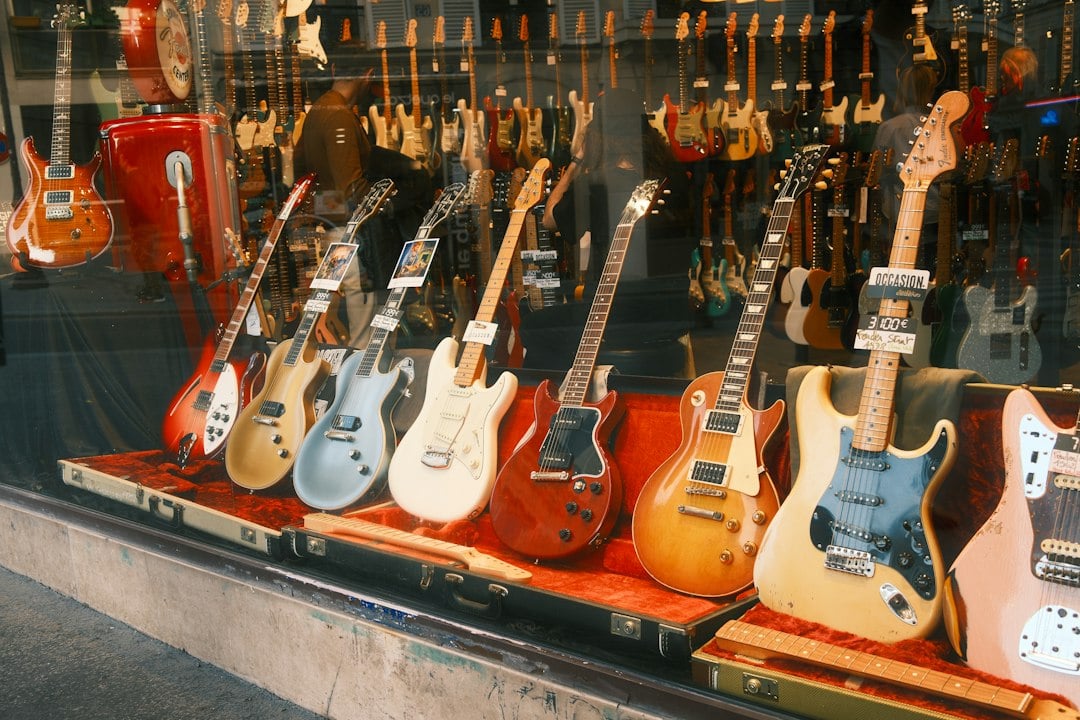
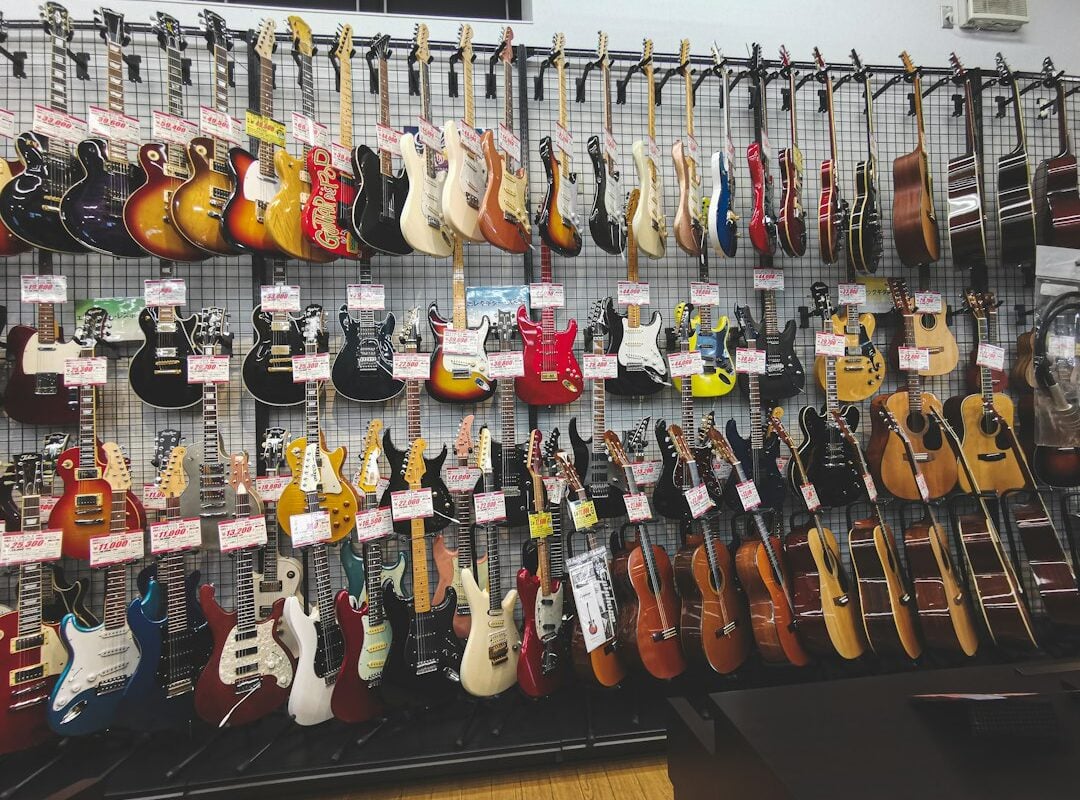
The mix on the buying and selling side is broad: brick-and-mortar retailers, dealers, local music stores, individuals and collectors all use the marketplace. So the local shop is not the opposite of Reverb — many shops list there too, which tells you something about where the demand sits. Fender’s Certified Pre-Owned program operates officially on Reverb, another sign the platform is treated as a serious channel rather than a classifieds board.
There are iPhone and Android apps that include the site’s main features, so watching a listing or answering a buyer’s question does not mean sitting at a desk.
Knowing what it is worth before you name a price
Price is where private sales fall apart. At a shop, you take the offer or walk. On a general marketplace, you guess, then watch a listing sit. Reverb handles this differently: when used gear sells on the site, the final sale prices are shared publicly in the Reverb Price Guide.
Price Guide-powered graphs and estimated values appear at the bottom of product pages across the website and app, and product pages also carry Transaction History, a list of final sale prices. Buyers can see whether an asking price is in line with what the same model has been fetching. Sellers can set a number with evidence behind it instead of a hunch.
Listing is built around the same data. You start by entering the brand and model name, which lets Reverb autofill the product details and help price the gear. For most items, that turns a chore into a few minutes of work.
Fees, shipping and getting paid
It is free to list on Reverb. Once gear sells, the seller pays a 5% selling fee on the total value of the transaction including shipping, with a $0.50 minimum and a $500 maximum, plus a payment processing fee. There are no listing fees, listing renewal fees and no monthly membership fees. For USD, the maximum sale amount for fee purposes is $10,000, so the fee on an expensive vintage piece is capped.

Payment processing through Reverb Payments is $0.49 plus 3.19% of the transaction total, or $0.49 plus 2.99% for Reverb Preferred Sellers. Additional costs can include Bump fees, shipping label costs or cross-border fees, and Reverb Safe Shipping runs 1.5%–3% depending on item value and destination.
The listing flow includes a built-in shipping estimator — enter size and weight, get a cost estimate — and sellers can choose Local Pickup if they would rather hand it over in person. Reverb Payments sellers are paid to their bank account in local currency.
The cover a handshake does not give you
Buying used from a stranger is the part that stops most people. Reverb Buyer Protection provides a refund if gear is lost, damaged or does not match its description, and all sales completed through the website or mobile app qualify. Covered situations include items declared lost by the carrier, damaged in transit, significantly different from the description, part of a fraudulent order or scam, or denied a refund within the seller’s return policy.
The rules are clear. Issues must be reported within 7 days of the item being marked delivered, or within 14 days of the anticipated delivery date if it never arrives. Modifying the item or reshipping it elsewhere voids the protection. The Request Refund button stays visible for 45 days after payment, and if a seller has not replied within 24 hours, you can contact Reverb Support.
Buyers can pay by card, Apple Pay, Google Pay, PayPal including Pay Later, Affirm financing, Venmo or Reverb Credits. If an unused amp is taking up floor space, or a specific pedal has been missing from your board for months, this is where both sides of that trade are waiting.