6 Vans Classics and the Job Each One Does Best
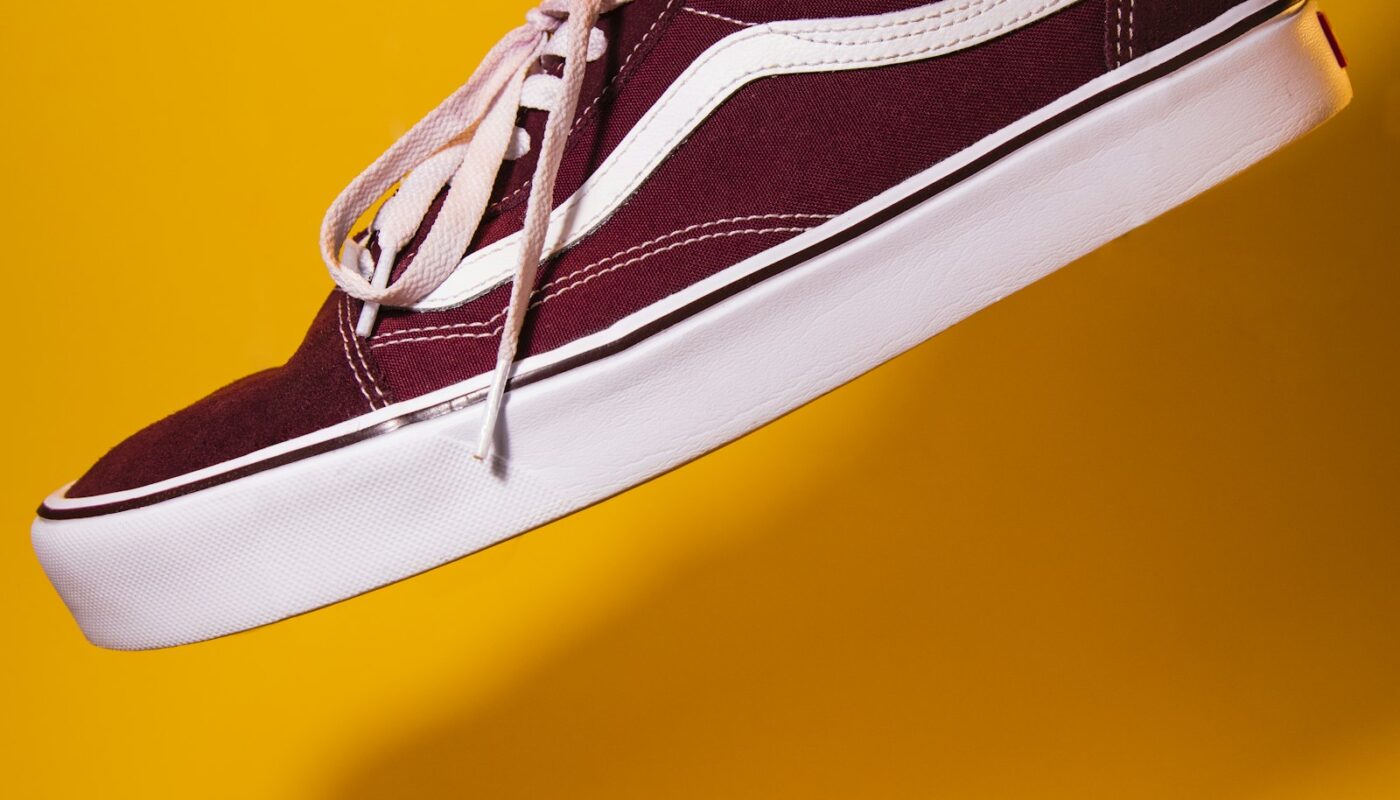
Stand on any busy street corner in July and count the shoes going past. Before long you’ll spot a black low-top with a white stripe curving down the side. That’s almost certainly an Old Skool, a design Vans has been making since 1977, and somehow it still looks current.
The catch is that Vans classics look alike from across the room but wear very differently. A thin canvas Authentic and a leather-paneled Old Skool feel like two separate shoes once they’re on your feet, and a Sk8-Hi does a different job again. Here are the six lines to know on Vans’ US site, roughly in the order most people should try them, with what each one is good at.
👟 Shop the Old Skool in every colorway
1. Old Skool, the safest first pair
The Old Skool began life as Style 36. Vans’ own product listings describe it as the brand’s second skate shoe and the first to carry the Sidestripe, the swoosh that was originally called the “Jazz Stripe.” Sneaker historians tend to repeat the story that the stripe started as a doodle. Nobody seems able to prove it, and it doesn’t matter much, because the stripe is now the most recognizable thing Vans owns.
What makes it the easy recommendation is the build. Footwear News points out that the Old Skool added leather panels for durability, a step away from the all-canvas shoes Vans made before it. That gives it a bit more structure than the Authentic and a bit more polish with jeans or chinos. It works at a skatepark and at a casual office, which is a short list for any sneaker.
If you like the shape but want more cushion around the ankle, look at the Knu Skool. Vans’ product guide says it shares the Old Skool’s low-top design and rubber waffle outsole, but adds a puffed tongue and ankle collar, and the product page calls out a “Puffy 3D Sidestripe.” Gear Patrol summed it up as a chunky sneaker with ’90s attitude. It’s the Old Skool for people who think the original is a little too flat.
2. Sk8-Hi
Vans introduced the Sk8-Hi in 1978 as Style 38, and the company is blunt about why it exists. The high top goes above the ankle, which is where skaters were taking the most punishment. It was the second Vans silhouette to wear the Sidestripe.
Off a board, that height makes it the most outfit-friendly shoe in the lineup for colder months. It sits neatly under cuffed jeans and doesn’t look odd with a heavier jacket.
3. Authentic and Era, the two canvas originals
The Authentic is where Vans started. The company’s timeline says it opened in Anaheim, California, in March 1966, and its first shoe that year was the #44 deck shoe, now sold as the Authentic. It’s still a simple thing: a low canvas upper, a few eyelets, and that waffle sole. Vans describes the canvas as durable and keeps adding seasonal colorways.

The Era came ten years later. Vans says it debuted as Style 95 in 1976, designed by skaters Tony Alva and Stacy Peralta, and that it introduced the brand’s padded collar along with the first version of the “Off the Wall” logo. Foot Locker’s description puts the change simply: take the slim Authentic and add padding plus suede at the toe and heel.
So which one? If you want the lightest, most minimal shoe Vans makes, get the Authentic. If you’ll be walking all day, the Era’s padded collar is the small upgrade your heels will notice. And for 2026 Vans has released a 50th-anniversary Skate Era that, according to Gear Patrol, keeps the original profile and adds Vans’ PopCush cushioning underfoot.
4. The Classic Slip-On
No laces, no fuss. Vans dates the #98 Slip-On to 1977 and credits Southern California skaters and BMX riders with making it popular. Its big moment came in 1982, when it showed up in Fast Times at Ridgemont High, and it has never really left.
It’s the pair to keep by the door. Vans’ US custom shop lists checkerboard versions of the Slip-On, which is the look most people picture first.
🏁 Pick a Classic Slip-On by pattern
Same shoes, built differently
Once you’ve chosen a silhouette, there are two other ways to buy it. Most shoppers never notice either.
Skate Classics. Retailers such as Skate Warehouse describe this line as the familiar shapes rebuilt for skating, with Duracap rubber underlays in the toe and ollie area, PopCush footbeds, and a sturdier sidewall and tread. If you skate, or you’re simply rough on shoes, it’s the version that holds up longer. Feature lists vary by model and colorway, so check the product page before you order.
Vans Customs. On the US site you can personalize the Authentic, Slip-On, Old Skool, Sk8-Hi and UltraRange with your own choice of colors and patterns, or upload a photo or artwork. It’s a good gift idea, and it’s also the only way to get a pair nobody else on the street is wearing.
Getting your pair for less
Start by joining Vans Family. According to Vans’ US FAQ, it’s free to join, open to US residents 16 and older (under-18s need a parent’s okay), and it earns points on what you spend that turn into money off later. Vans also lists a welcome offer for new members, free standard shipping and member-only promotions. One small trap: signing up for Vans emails doesn’t enroll you, so make sure you’ve joined the program itself.
After that, keep it simple. Buy the silhouette that fits how you’ll wear it, not the one you saw on someone else. Look at the full color range before settling, because the same shoe in a seasonal colorway can feel like a new purchase. Prices move, so check the current one on the product page.
Most people end up owning more than one pair, and with this lineup that’s easy to understand.
🛒 Find your size in Vans classics