Garmin’s Fenix 8 Was Superseded Twice Before Its Second Birthday
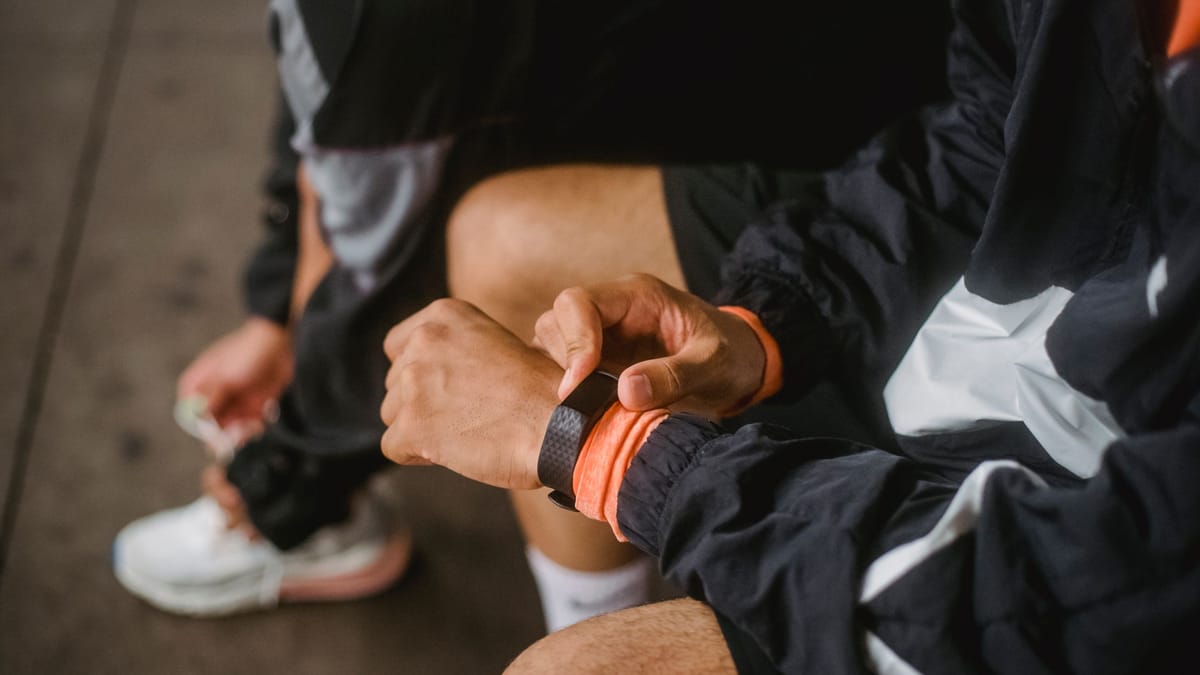
Garmin announced the Fenix 9 on 25 August 2026, roughly two years after the Fenix 8 reached shops and a year after the Fenix 8 Pro slotted in above it. UK retailer GPS Training lists the Fenix 9 from £859.99 and reports that the Fenix 8 Pro is no longer in production. The standard Fenix 8 has meanwhile fallen from a £869.99 launch price to around £749.99, with comparison sites showing units from £619.95. That combination, a fresh replacement and a steep discount, makes this a more interesting watch to assess now than it was at launch.
Fenix 8 against Fenix 9: the differences that are real
- Display: Fenix 9 AMOLED measured by MightyGadget at roughly 2,000 nits, about twice the Fenix 8
- Storage: 64GB on the Fenix 9, 32GB on the Fenix 8
- Battery: identical 16 days smartwatch and 81 hours maximum GPS at 47mm on both
- Sensors: both use Garmin Elevate Gen 5, multi-band GNSS, ECG, pulse oximeter and barometric altimeter
- Materials: sapphire and titanium rear covers standard across the Fenix 9 range, premium-only on the Fenix 8
A generation gap that is mostly software and screen
The most striking thing about the specification comparison is how little of the underlying hardware changed. MightyGadget’s side-by-side puts the two watches on the same optical heart rate sensor, the same satellite systems and the same battery endurance figures, with the Fenix 9 gaining a day in low-power and expedition modes. The genuine hardware upgrades are the brighter panel, doubled onboard storage and a rebuilt TopoActive mapping engine that Garmin says pans and redraws faster, addressing a long-standing complaint about map sluggishness.
New software features on the Fenix 9 include multi-day trip recording, lactate threshold measurement without a chest strap, an archery activity and full indoor rowing metrics. Whether any of that justifies £110 depends entirely on whether those specific activities are on the list.
The speaker and microphone changed what the watch is for
The Fenix 8 was the first Fenix with an onboard speaker and microphone, enabling voice commands, phone calls routed through the watch and, on iPhone, access to Siri. It is a genuinely useful addition on a cold hillside where removing a glove to operate a phone is unappealing. It also introduced a sealing problem, which Garmin solved by redesigning the buttons as a leak-proof assembly rather than the traditional pushbuttons of earlier generations.
That redesign carries a cost that owners notice. HikingGuy’s review describes the newer buttons as having shorter travel and a lighter feel compared with the deep mechanical click of older Fenix models, and treats it as a real regression in glove-on operation rather than a matter of taste.
Battery claims and what people report in the field
- Garmin’s specification for the 47mm AMOLED model is 16 days in smartwatch mode
- Maximum GPS endurance is quoted at 81 hours in the most efficient satellite mode
- HikingGuy reports two to three weeks in smartwatch use and 56 to 78 hours of activity tracking with multi-band and all GNSS systems enabled
- The same review describes mixed daily use as requiring a charge roughly weekly
- The Fenix 9 Pro reintroduces solar in 47mm and 51mm sizes, quoted at up to 57 days with sun exposure; no Fenix 8 Pro offered solar at all
Dive rating and the AMOLED versus solar fork in the range
The Fenix 8 is dive-rated, which pulled Garmin’s Descent functionality into the mainstream line for the first time and is the reason the button redesign happened. It is also sold in AMOLED and solar-equipped memory-in-pixel variants, which are effectively different watches sharing a name. The AMOLED model has the display people want; the solar model has the endurance people claim to want. Buyers regularly conflate them when comparing prices, and secondhand listings are worse.
Sizes run to 43mm, 47mm and 51mm, and the battery figures quoted throughout Garmin’s marketing generally refer to the 47mm model. The 43mm case holds a smaller cell and delivers correspondingly less endurance, which is a routine source of disappointment for buyers who chose the smaller watch on wrist fit and expected the headline number to follow it.
The flashlight, carried over and improved from the Enduro and Instinct lines, has become one of the most quietly appreciated features on the watch. HikingGuy describes a brighter, cleaner beam with stronger throw than previous Garmin implementations, and it is genuinely useful for reading a map or finding a tent zip without digging out a head torch.
Firmware turbulence and the auto-dimming that cannot be switched off
Garmin’s launch firmware for the Fenix 8 drew sustained criticism, and HikingGuy’s review explicitly advises checking Garmin’s support forums before purchase because of early stability problems. Most of that has been resolved through updates, but it is a pattern with Garmin launches rather than a one-off, and it is a reason to be relaxed about buying a generation-old watch rather than a brand-new one.
The other complaint that has persisted is aggressive night-time auto-dimming with no user override, which the same reviewer found made the display harder to read at precisely the moments a bright screen would help. A navigation interface reworked around sideways swipes also drew criticism for not feeling intuitive during an activity.
Deciding between the outgoing and current generation
- Establish which Fenix 8 variant a listing covers, because AMOLED and solar models differ in display, endurance and price
- Check whether the Fenix 9 features that are actually new, principally the brighter screen and 64GB of storage, address a problem you have
- Weigh the discount: a Fenix 8 near £619 against a Fenix 9 at £859.99 is a different proposition to the £749.99 versus £859.99 comparison
- If satellite messaging or solar charging matters, neither standard watch qualifies and the Pro tiers at £949.99 and above are the relevant comparison
- Confirm Garmin’s stated support window for the older model before committing, since software features increasingly define these watches
Sources: GPS Training, Garmin Fenix 9 first look with UK prices · MightyGadget, Fenix 9 versus Fenix 8 specification comparison · HikingGuy, Garmin Fenix 8 trail-tested review · Garmin product page, fenix 8 47mm