You Keep Meaning to Book Therapy. Here’s What’s Standing in the Way
This article contains affiliate links. We may earn a commission if you buy through them, at no extra cost to you.
The appointment that never gets made
You know you need to talk to someone. The intention has been sitting there for months. What stops you is rarely the talking itself — it’s the practice that isn’t taking new clients until spring, the only free slot being 2pm on a Tuesday when you’re at work, the drive across town, the waiting room, and the cold call where you have to explain your private life to a receptionist before anyone has even said yes.
Betterhelp was founded in 2013 to remove the traditional barriers to therapy and make mental health care more accessible. It is a therapy service that runs 100% online, with a network of more than 31,000 therapists worldwide. Instead of ringing round practices, you answer a few questions about what you’re dealing with and what you want from therapy, and the matching happens from there.
A short questionnaire instead of a cold call
The first blocker it clears is the hardest one: making contact. You answer a few questions to find a qualified therapist who fits your needs and preferences, then you get matched from a pool of over 31,000 providers based on those needs, preferences and demographics. No introductory phone call, no explaining yourself twice.

The second blocker is the wait. The matching process can take a few hours or a few days, depending on therapist availability — not a slot six weeks out. And the people you’re matched with are vetted: every therapist is a qualified and experienced counsellor, psychologist, social worker or therapist, with a relevant academic degree, at least three years of experience and credentials from their professional organisation. Providers must supply proper documentation and go through a verification process that includes case study review and background checks.
Message at 11pm. No scheduling required.
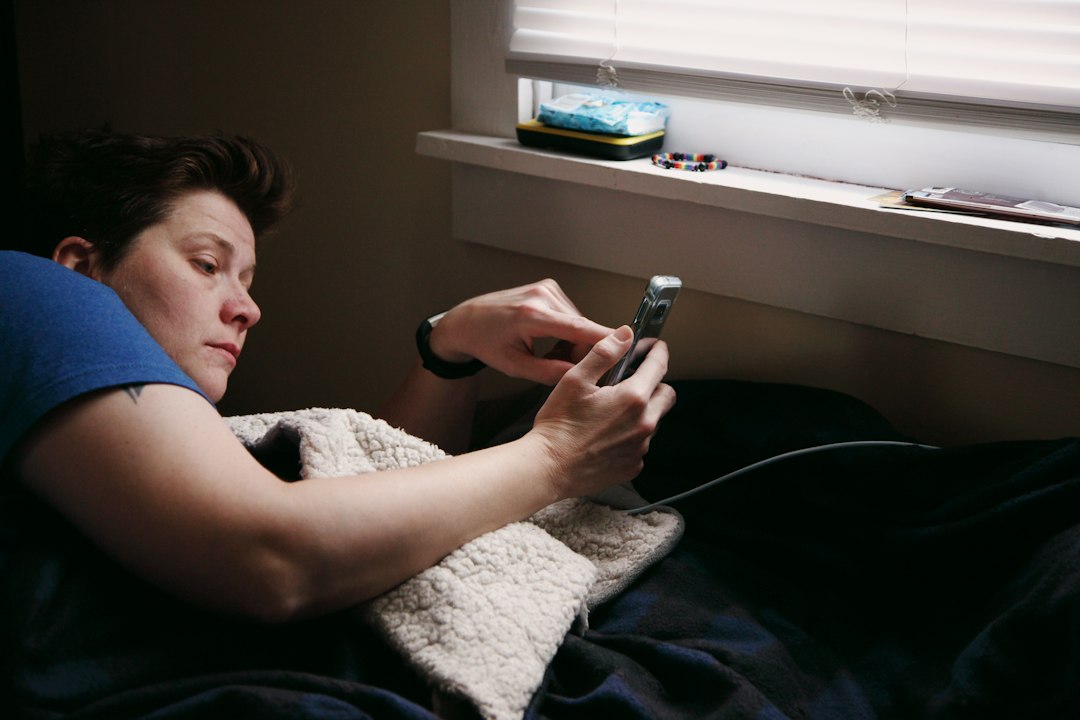
The shift-work problem disappears next. You can message your therapist at any time, from anywhere online. Messages aren’t in real time, so nothing needs to be booked — your therapist reads them and responds with insights and guidance. If something lands at 11pm on a Sunday, you write it down while it’s still in your head rather than holding it for ten days.
When you do want a set time, there are three live formats. Live chat means scheduling a slot, logging in and typing in real time. Phone sessions work by scheduling a time, logging in and entering your number; the system calls you, and your number isn’t shared with your provider. Video sessions are face-to-face, similar to Zoom or FaceTime. You can use different methods at different times, based on your needs and availability, and you can log back in anytime to reread previous messages.
The weeks between sessions, and the wrong-fit worry
Traditional therapy tends to go quiet between appointments. A Betterhelp membership includes 150+ digital worksheets and modules that support the therapy process, plus free access to 20+ weekly live interactive group seminars delivered by expert therapists. That gives you something to work with on the days when you aren’t in session.
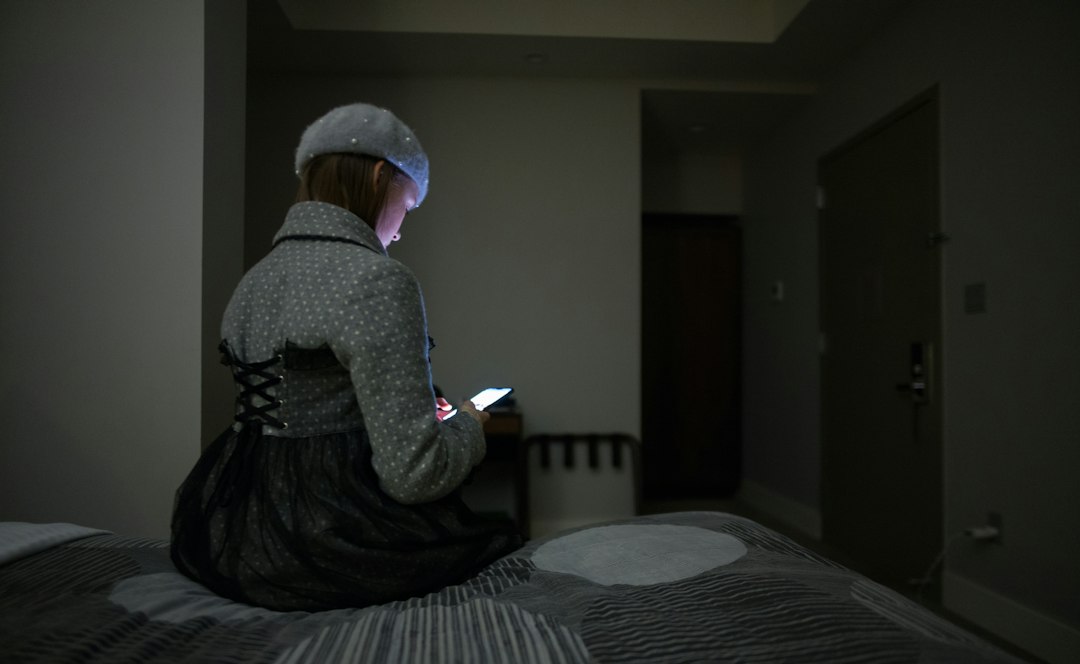
Then there’s the fear that keeps a lot of people from starting at all: what if you pour everything out and the person isn’t right for you? If you feel your therapist isn’t a good fit, you can click a button and get matched to another provider. You also get a full look at your therapist’s schedule and pick a time that works for you. Therapists here work with stress, anxiety, relationships, parenting, depression, trauma, grief, family conflicts, self-esteem and more.
What it costs, and the smallest step you can take today
Therapy through Betterhelp ranges from €70 to €100 per week, billed every four weeks, based on your location, source, preferences and therapist availability. You can pay by credit card, debit card, PayPal, Apple Pay or Google Pay, and you can cancel your membership at any time, for any reason. How long you stay is up to you — some people feel they get most of the value after a few weeks, others continue far longer.
It’s worth knowing what it isn’t: your therapist can’t make an official diagnosis, fulfil a court order or prescribe medication, and it isn’t the right route if you’re in an urgent crisis or under 18.
Everything else you’ve been putting off comes down to one small action. Answer the questions, get matched, send the first message when it suits you.