Dubrovnik counts its crowds now, and has 1,500 residents left inside the walls
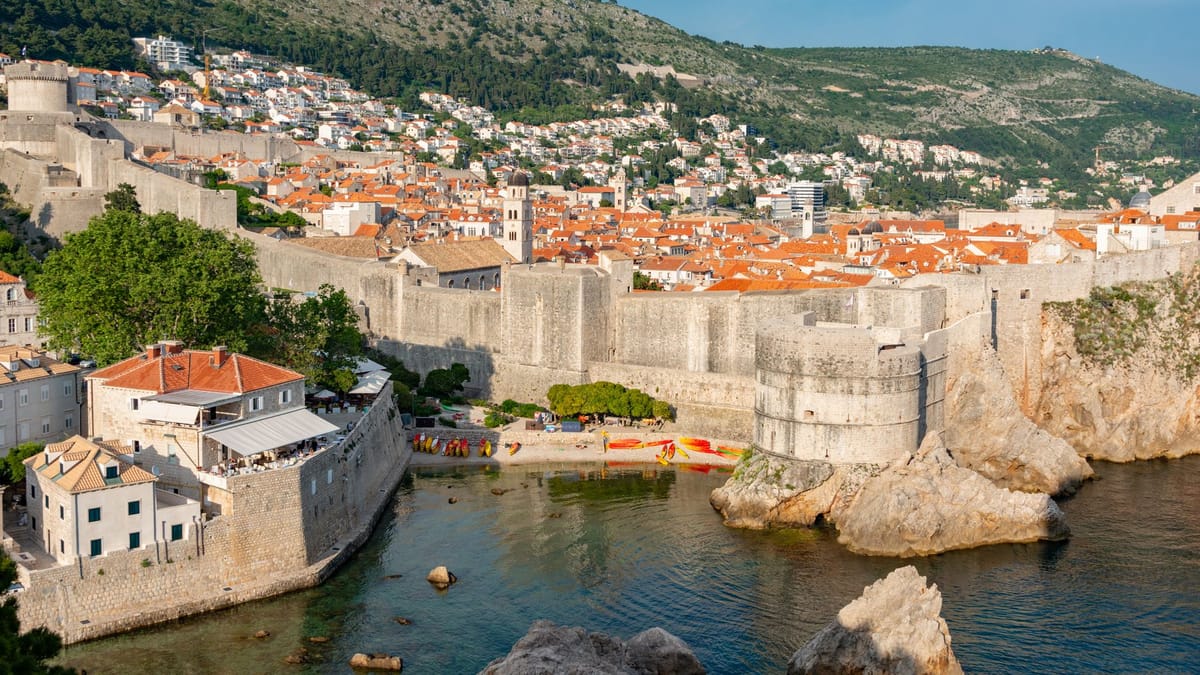
Dubrovnik became the case study in European overtourism partly by accident, when a television series turned a walled Adriatic port into a destination for people who had never previously considered Croatia. The city’s response since 2017 has been more systematic than anywhere comparable: capped cruise arrivals, booked coach slots, footfall counters and a mayor willing to say publicly that tourism here was never managed at all before. The measures work, in the narrow sense of smoothing the peaks. They have not stopped the Old Town losing its residents.
How arrivals are controlled
- A maximum of two cruise ships may dock simultaneously
- Each is capped at 4,000 passengers
- Ships must stay in port at least eight hours to spread arrivals through the day
- Coach operators must book arrival slots through a city webshop
- People counters track footfall inside the Old Town and feed shared tourism analytics
Two ships, four thousand passengers, eight hours minimum
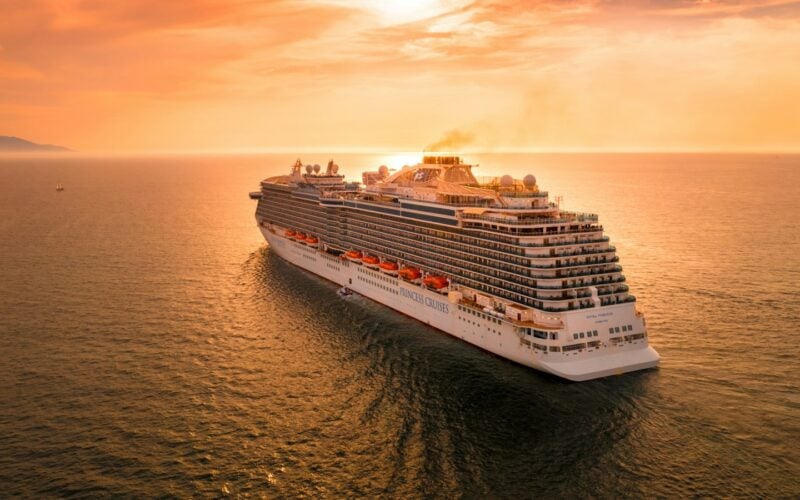
The cruise agreement is the centrepiece. Dubrovnik permits no more than two ships alongside at once, each carrying no more than four thousand passengers, and requires a minimum eight-hour port call. That last condition is the clever one: it removes the incentive for a ship to disgorge everyone into the Old Town for a frantic three hours and leave.
Coach traffic from the wider region is handled separately through a booking system that requires operators to reserve arrival slots, allowing the city to stagger daytime peaks rather than absorb them. Mayor Mato Frankovic has been direct about the reasoning, describing a period in which tourism in the city simply happened on its own without being managed at all.
Data collection underpins all of it. Counters record footfall through the Old Town gates, and the resulting analytics are shared with the University of Dubrovnik so that patterns can be studied rather than guessed at. Whatever else can be said about Dubrovnik, it is not making decisions blind.
The walls are the attraction and they are not cheap
The circuit of the city walls runs roughly two kilometres and takes most people between ninety minutes and two hours. Adult tickets start at around EUR 40 as of 2026, which places it among the more expensive single attractions on the Adriatic, and the price has risen steadily for a decade.
Opening hours vary considerably by season, and the difference matters. Through July the walls open from eight in the morning until half past seven in the evening; from November to March they run only from nine until three, and they close on 25 December. The eight o’clock opening in high summer is the single most useful piece of information about visiting Dubrovnik, because the circuit is largely unshaded and the stone radiates heat by eleven.
There are multiple access points and several cafes along the route. Walking anticlockwise from the Pile gate puts the sea section in front of you and the terracotta roofs behind, which is the sequence most photographs are taken in.
Fort Lovrijenac, on its own rock outside the western wall, is normally covered by the same ticket, which is worth knowing because a substantial number of visitors walk the circuit and then pay again at the gate. The Dubrovnik Pass also bundles wall entry along with the city museums and buses, and for anyone intending to see more than two paid sites it works out cheaper than buying separately.
From five thousand residents to fifteen hundred
The number that should trouble anyone thinking about Dubrovnik is not the visitor count but the resident one. The permanent population inside the walls has fallen from around five thousand in 1991 to roughly fifteen hundred today, a decline driven overwhelmingly by the conversion of homes to short-term rentals.
This is the failure that the cruise cap does not address. Smoothing daily arrivals does nothing about the underlying economics that make letting an apartment to visitors many times more profitable than letting it to a family, and the effect compounds: fewer residents means fewer shops selling ordinary things, which makes the quarter less liveable, which accelerates the departure of those remaining.
The visible symptom is a stone city of extraordinary quality that functions as a stage set for most of the day. Visitors staying overnight in the Old Town, particularly outside July and August, report that it becomes a genuine place again after the last ship leaves.
Respect the City is a rulebook, not a slogan
- Walking through the Old Town in swimwear or bare-chested is prohibited and carries a fine.
- Climbing on monuments and city walls outside the ticketed circuit is an offence.
- Sleeping in public spaces and drinking alcohol in the street in designated zones are both penalised.
- The city has restricted delivery hours and has publicly floated banning wheeled suitcases inside the walls, on noise grounds, with luggage moved by porters instead.
- The Dubrovnik Pass bundles museum entry and public transport, and is also used by the city to message holders about when specific attractions are least busy.
Lokrum, Cavtat and the Elaphiti are the pressure valve
The most straightforward way to enjoy Dubrovnik is to spend part of each day outside it. Lokrum island is fifteen minutes by ferry from the Old Port, carries a botanical garden, a ruined Benedictine monastery and a saltwater lake, and has a resident peacock population descended from birds introduced in the nineteenth century. It is closed to overnight stays, which keeps it quiet by evening.
Cavtat, south towards the airport, is a working coastal town with a waterfront promenade and the Racic mausoleum, reachable by regular boat. The Elaphiti islands of Kolocep, Lopud and Sipan sit north and are served by the Jadrolinija line, with Lopud’s Sunj beach among the few genuine sand beaches in the region.
Inland, the Konavle valley and the Peljesac peninsula are where the food and wine actually are. Peljesac produces the plavac mali reds that dominate Croatian wine lists, and the oyster beds at Ston sit beneath the second-longest defensive wall in Europe, which receives a tiny fraction of Dubrovnik’s visitors for a comparable piece of engineering.
The cable car to Srd, the ridge behind the city, is the other obvious escape and carries a view down onto the whole peninsula and out to the Elaphiti chain. It runs into the evening in summer, and the sunset departures are the busiest of the day by a wide margin. The Homeland War museum at the top, in a Napoleonic fort, addresses the 1991 siege that most visitors arrive knowing nothing about.
Sources: Euronews: how Dubrovnik is managing overtourism · Walls of Dubrovnik: ticket prices and working hours · Visit Dubrovnik, official tourist board · Travel Tomorrow: how Dubrovnik’s Respect the City scheme is tackling overtourism