Who Actually Drives Your FlixBus?
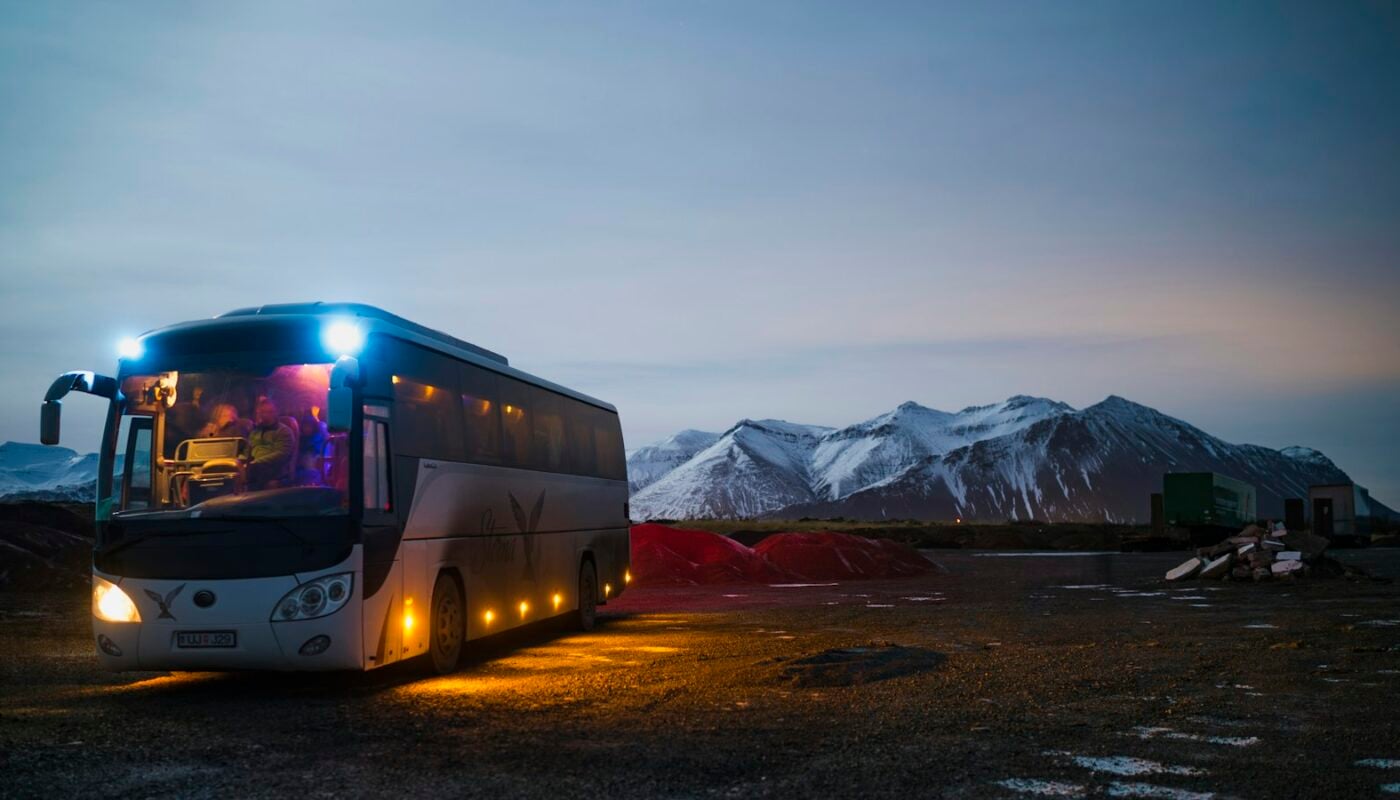
You book a seat on a FlixBus. A green coach pulls in, you get on, and eight hours later you are where you wanted to be.
The company whose name is on the side did not employ the driver. It does not own the coach. It did not decide what time that vehicle left the depot or who maintains the brakes.
It decided the price, the route and the booking system. Everything physical belongs to somebody else — and once you know that, the whole thing makes a lot more sense, including the fare.

Flix sells the journey. Somebody else runs it.
This is not a secret. Flix says so in its own corporate announcements: While Flix manages the commercial side of the business such as network planning, pricing, operations control, marketing and sales, quality management and continuous product development with a data-driven approach, trusted Flix partners conduct the daily operations.
Read that carefully. Network planning, pricing, marketing, sales, quality management — Flix. Daily operations, meaning the buses and the people driving them — regional partner firms.
It is a franchise arrangement in everything but name. Flix is a technology and sales company that happens to sell bus seats, in the same way that a hotel-booking platform is not a hotel.
Why the model makes the fare low
An operator that owns its fleet carries the cost of that fleet whether the seats sell or not: depots, maintenance yards, drivers on payroll through the quiet months, coaches depreciating in a car park all winter.
Flix carries almost none of that. The capital sits on the partners’ balance sheets, and Flix buys capacity from them. What is left to pay for is software, marketing and a network-planning team — costs that do not scale with the number of miles driven.
That is the actual reason the fares undercut the alternatives. Not a promotional push, not loss-leading. A structurally lighter cost base.
What that means for your particular journey
The same logic explains why two people can describe completely different experiences on the same brand.
Flix sets the standards and handles quality management, but the coach you sit in and the person driving it come from whichever regional firm holds that route. A corridor run by a well-run operator with newer vehicles is a different journey from one run by a company having a difficult year, even though the booking page looks identical.
So the useful thing to research is the route, not the brand. Recent comments about your specific corridor tell you far more than the overall rating does, because the overall rating is an average across dozens of separate companies.
The luggage allowance is better than people assume
This is where the comparison with budget airlines stops being close.
Two bags travel free on a standard ticket. One small carry-on — 1x Small duffle bag or backpack, 25 lb, 12 x 7 x 16 in, which goes under your seat or overhead. And one in the hold — 1x Stored Bag, 50 lb, 20 x 12 x 31 in.
Fifty pounds in the hold at no charge is more than most airlines give you for money. On a week-long trip that single fact can be worth more than the difference in fare.
Bikes travel on most routes, though e-bikes, tandems, and tricycles are not allowed. Small instruments count as your carry-on and cost nothing; large ones are charged as bulky baggage and need booking ahead. Strollers are free but must be foldable and registered in advance. Animals are not carried at all, with the exception of service animals.
One practical warning from the same page: there is limited space for excess baggage, and it recommends booking early. Extra bags are sold per journey and the space really does run out.
🎒 See what the free allowance covers
FlixBus and Greyhound are the same company now
Flix acquired Greyhound in October 2021, and Greyhound continues to run under its own name — the corporate materials list FlixBus, FlixTrain, Kamil Koç, and Greyhound as sibling brands.
This matters when you are comparing prices. On a lot of American corridors the two brands are both options, both bookable, and both ultimately owned by the same parent. They are not rival companies undercutting each other; they are two products from one group, aimed at slightly different travellers and often running different schedules on the same road.
Check both before booking. The cheaper one on your date is simply the cheaper one, and there is no loyalty being betrayed either way.
Booking it so the price stays low
Book the route, having read about the route. Everything above says the operator matters more than the logo.
Pack to the free allowance. Two bags, 25 and 50 pounds, is a generous envelope. Paying for a third is the avoidable cost on this service.
Register the awkward items in advance — the bike, the folded stroller, the cello. Space is finite and turning up with an unregistered one is how a journey goes wrong at the kerb.
Price the Greyhound version of the same trip. Same group, different schedule, sometimes a different number.
Where the model works in your favour
An asset-light operator is not a worse operator. It is a company that has decided its advantage lies in planning networks and selling seats rather than in owning steel, and it passes a meaningful part of that structural saving to the person buying the ticket.
What you get for it is a cheap, straightforward way to cross a long distance with fifty pounds of luggage and no baggage fee, on a network that now includes the oldest intercity bus brand in the country.
What it asks in return is that you do thirty seconds of thinking about the specific route rather than the brand on the paintwork. That is a fair trade, and on most corridors it is the best value on the road.
🗺️ Compare routes and departure times