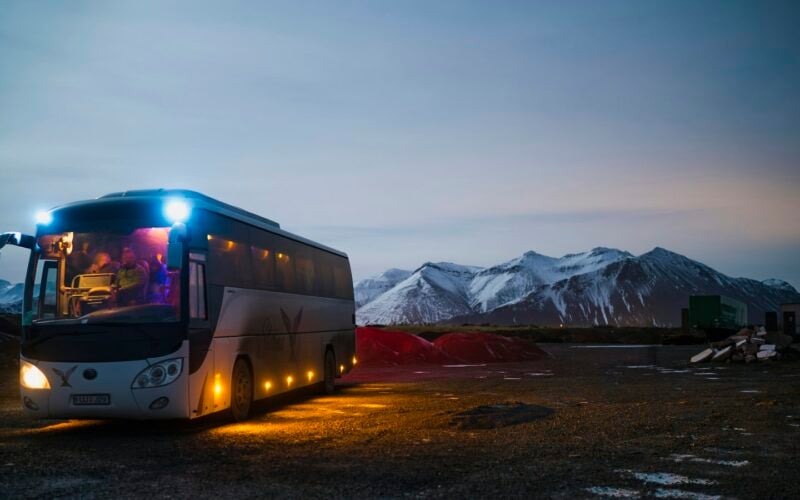
The Amalfi Coast rations its own road, and August is when you notice
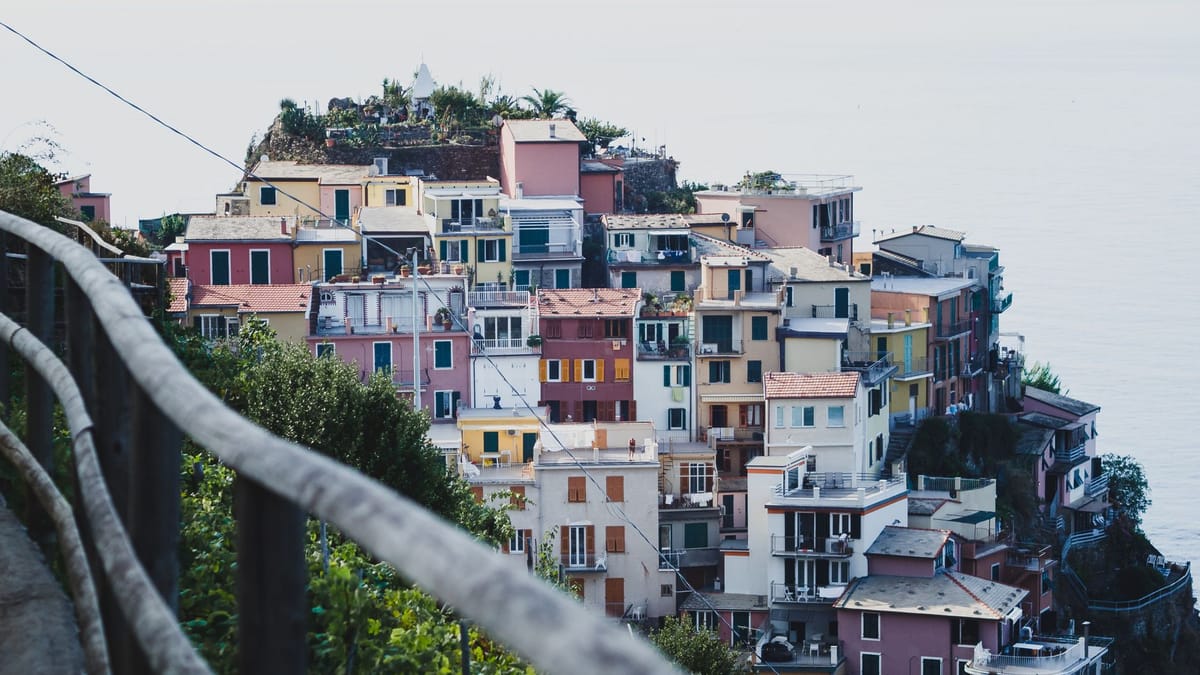
The SS163 Amalfitana was cut into the cliffs in the 1850s for a coastline that had perhaps a few thousand residents and no cars. It now carries several million visitors a season through villages where the road narrows to a single lane between a rock face and a drop. The Italian road authority’s response has been to ration access by number plate, and the scheme is more aggressive than most visitors realise. Anyone hiring a car for the Amalfi Coast in high summer needs to read the ordinance before they read the restaurant reviews.
Driving restrictions in brief
- ANAS ordinance 340/2019 restricts the SS163 by number plate between 10:00 and 18:00
- Odd-numbered plates on odd dates, even on even dates, on the Amalfi Coast road
- In force daily through August and September, weekends and holidays in June, July and October
- Fines run from roughly EUR 87 to EUR 344 and are sent to the registered keeper or hire company
- The rule is inverted in Meta on the Sorrento peninsula, where odd plates travel on even days
Odd and even: how the SS163 is rationed
The scheme operates under ANAS ordinance 340/2019 and runs from 10:00 to 18:00. Through June and July it applies on weekends and public holidays only. Through August and September it applies every single day. In October it reverts to weekends and holidays, and it also covers the Easter and 25 April long weekends.
Exemptions are broader than people expect and are the reason the scheme is survivable. Residents with identification, emergency and police vehicles, taxis and public transport, electric and plug-in hybrid cars, disabled drivers holding an EU badge, and motorcycles and scooters on the SS163 are all outside the restriction. So, importantly, are guests of hotels and restaurants who hold a confirmed booking, which is the exemption most visitors will rely on.
The confusing part sits on the Sorrento peninsula rather than the Amalfi side. Separate municipal ordinances govern the SS145, with Meta operating from 08:00 to 19:00 through the March to October season on an inverted rule where odd plates may circulate on even days. Scooters are not exempt there. Anyone crossing between the two systems in a day needs to check both.
The SITA bus is cheap, crowded and frequently the only sane option
SITA Sud runs the Sorrento to Positano to Amalfi corridor and onward to Salerno, and it is the backbone of the coast for anyone not driving. Fares are low, the drivers are extraordinarily skilled, and the front right seats deliver a view no car passenger gets.
The failure mode is capacity. In August buses leave Sorrento full and pass waiting passengers at Positano’s stops without stopping, sometimes repeatedly. Boarding at the terminus rather than an intermediate stop is the only reliable strategy, and it often means travelling in the wrong direction first in order to get a seat.
Tickets must be bought before boarding, from tabacchi, bars or the terminus office, and validated on entry. Buying from the driver is not an option and the fine for an unvalidated ticket is not discretionary.
Ferries do in forty minutes what the road does in two hours
From roughly April to October, passenger ferries link Salerno, Amalfi, Positano, Sorrento, Capri and Naples, and they are the single best decision most visitors to this coast make. They bypass the plate restrictions entirely, they are not affected by road congestion, and they present the cliffs from the angle the villages were actually designed to be seen from.
The limitation is weather. Sea conditions cancel sailings at short notice, particularly on the Positano approach where boarding is from an exposed jetty, and services thin out sharply outside the summer timetable. A ferry-only itinerary in late October is a gamble.
The Circumvesuviana railway from Naples to Sorrento remains the cheap link to the wider region, though it is a tired and frequently overcrowded line, and the Campania Express tourist service exists precisely because of that reputation.
The Sentiero degli Dei earns its reputation
The Path of the Gods runs the ridge above the coast from Bomerano in Agerola to Nocelle above Positano, roughly seven to eight kilometres of mostly downhill walking with the entire coastline and Capri laid out below. It is the one attraction on the Amalfi Coast that has not been priced, ticketed or rationed.
Walking it from Bomerano to Nocelle is substantially easier than the reverse, and the standard approach is a bus from Amalfi to Agerola in the morning. The final descent from Nocelle to Positano is a very long stone staircase that punishes knees and is best avoided by taking the local bus down instead.
It is exposed, largely unshaded and genuinely dangerous in wet weather where the path crosses bare rock. Midsummer midday attempts are a bad idea, and the path is at its best in April, May, late September and October.
Positano is a staircase with a beach at the bottom
Positano is built into a near-vertical cleft and the entire village is stairs. Visitors with mobility limitations, heavy luggage or small children consistently underestimate this, and the internal bus that loops the upper road is the only alternative to climbing.
The main beach, Spiaggia Grande, is largely divided into private concessions charging for loungers and umbrellas, with a modest free section. Prices there are among the highest on the coast and the sand is coarse grey shingle rather than the pale beach the marketing implies.
Fornillo, ten minutes west on a cliff path, is smaller, cheaper and quieter. It is the local answer to the question of where to swim, and it is the sort of detail that gets lost when a village receives this many day visitors.
Doing the coast without a car
- Base in one place and travel out from it; moving accommodation along the coast with luggage is genuinely miserable in season.
- Reach the region by train to Naples or Salerno rather than by hire car from an airport.
- Use ferries for the long hops between Salerno, Amalfi, Positano and Sorrento whenever the sea allows.
- Keep the SITA bus for the short inland connections, Ravello and the early or late hours when ferries are not running.
- If a car is unavoidable, confirm that the accommodation booking exempts the vehicle and get that confirmation in writing before arriving.
- Park once, in a garage, and leave it there; roadside parking on the SS163 is scarce, expensive and frequently ticketed.
Sources: Amalfi Coast Travel: alternate licence plates 2026 · Amalfi Coast Travel: SITA bus timetable and guide · Positano.com: Il Sentiero degli Dei · Italy on Foot: Amalfi Coast driving restrictions 2026