Hoi An floods every autumn, and the lantern photographs never show it
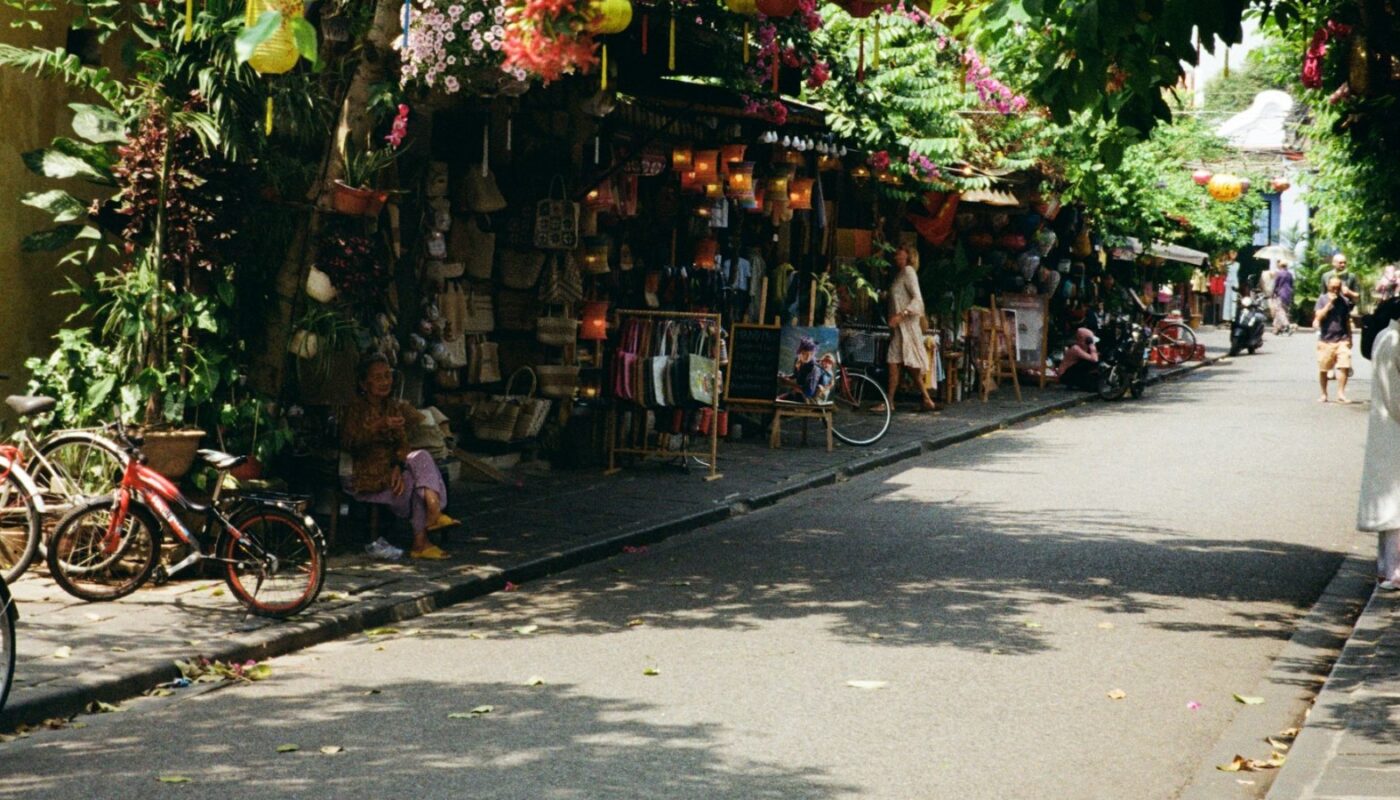
Hoi An’s old town survives because it stopped mattering commercially. When the Thu Bon river silted up and trade moved to Da Nang in the nineteenth century, the port simply stopped being rebuilt, and roughly eleven hundred timber shophouses were left standing in their original street grid. UNESCO inscribed it in 1999 as an exceptionally well-preserved traditional Asian trading port. What the listing also notes, in dry language, is that the site faces annual flooding. In late 2025 that annual flooding became something considerably worse.
The autumn of 2025 broke the records that existed
Central Vietnam experienced sustained flooding from mid-October to early December 2025, in two distinct phases. Bach Ma recorded 1,739.6mm of rain in twenty-four hours between 26 and 27 October, a national record. Several rivers exceeded historic peaks, with the Bo river at Phu Oc surpassing its 2020 record three separate times inside a week.
Stations in Hue and Da Nang registered historic flood peaks. Reported damage in Hue reached around 3.27 trillion dong and in Da Nang roughly 837 billion dong, and at least 153 people were killed or missing during the second phase alone. Hoi An sits directly in this catchment.
This matters for planning rather than for alarm. Hoi An has rebuilt after floods for centuries and the town was receiving visitors again within weeks. But anyone booking October or November should understand that submerged streets, boats operating between shopfronts and cancelled onward transport are normal outcomes in those months, not freak events.
What the 120,000 dong ticket buys, and what it does not
Entry to the Ancient Town is ticketed at 120,000 dong for adults, with a reduced rate for children between one metre and 1.4 metres tall and free entry below that. The ticket is valid for twenty-four hours from purchase, is non-refundable, and replacement is charged in full if it is lost.
The structure confuses people. The ticket is not simply an entry fee to the streets; it carries five tear-off coupons, each admitting the holder to one of the town’s designated heritage buildings, among them the Tan Ky and Phung Hung ancient houses, the Chinese assembly halls, the museums and the Japanese Covered Bridge. Walking the lanes, eating and shopping require no coupon at all.
Enforcement has always been patchy and remains so. Booths sit at the main approaches and staff check tickets at heritage sites reliably, but the town has repeatedly stepped back from making tickets compulsory for every person crossing into the protected zone after visitor objections. Revenue from the fee is directed at restoration and maintenance, which is a reasonable case for buying one regardless.
The Japanese Covered Bridge, the emblem on the twenty-thousand-dong note, underwent a full and controversial dismantling and rebuild completed in 2024. Conservationists argued publicly about how much original timber survived the process, and the freshly painted result drew complaints that it looked new. That is arguably the honest condition of a four-hundred-year-old wooden structure in a flood plain, and the alternative was losing it.
The tailoring trade runs on a promise it cannot always keep
Hoi An has several hundred tailoring shops and the pitch is consistent: a made-to-measure suit or dress, fitted and delivered within twenty-four hours. The claim is technically achievable and frequently regretted. The work is subcontracted to workshops outside the old town, one fitting is rarely enough, and fabric quality varies enormously between shops charging similar prices.
Visitors who are pleased with the result tend to have done the same things: allowed three or four days rather than one, insisted on at least two fittings, chosen fabric by feel rather than by the catalogue photograph, and paid a deposit rather than the full amount upfront. Those disappointed usually compressed the process into a single overnight.
The same caution applies to the leather shops. Genuine hides are available, and so is a large volume of coated split leather sold at prices that imply otherwise.
The beaches are retreating and the sea walls are not new
Cua Dai beach, four kilometres from the old town, has suffered documented and severe erosion over the past decade. Substantial stretches have been armoured with sandbags, concrete revetments and breakwaters, and the wide beach that appears in older guidebooks no longer exists in that form.
An Bang, a little further north, has held up better and is where most of the beach activity has migrated. It is busier, more developed and considerably more commercial than it was, with a strip of bars and restaurants behind the sand.
Neither is a reason to skip Hoi An, but both are a reason to be sceptical of accommodation marketed on beach proximity. Photographs on booking sites in this stretch of coast are often several years old.
The wider point is that Hoi An’s setting is under active pressure from sediment loss upstream, dam construction on the Thu Bon and rising sea levels, and UNESCO’s own management notes flag climate change as a factor in the site’s conservation planning. The town is not in imminent danger, but the coastline it sits behind is measurably moving.
Timing a visit around the crowds and the water
- February to May is the reliable window: dry, warm without being punishing, and clear of the flood season entirely.
- June to August brings serious heat and humidity along with the peak of domestic Vietnamese holidays, particularly through July.
- September to November is flood season, with October and November carrying the highest risk of disruption and the lowest prices.
- The old town is at its best before about 8am, when the lanes belong to residents and the coach groups from Da Nang have not yet arrived.
- The full moon lantern festival falls on the fourteenth day of each lunar month and is genuinely atmospheric, though it draws the largest crowds of any night in the calendar.
- Vietnam’s e-visa now runs to ninety days with multiple entries for most nationalities, which removes the old pressure to compress central Vietnam into a fortnight.
Sources: UNESCO World Heritage: Hoi An Ancient Town · Wikipedia: 2025 Central Vietnam floods · ReliefWeb: flash update, flooding in central Viet Nam, November 2025 · Hoi An Locals: Ancient Town entrance fee · VOV: historic flooding, thousands evacuated as rivers surge beyond record levels