Queenstown has priced its own scenery, and people keep paying
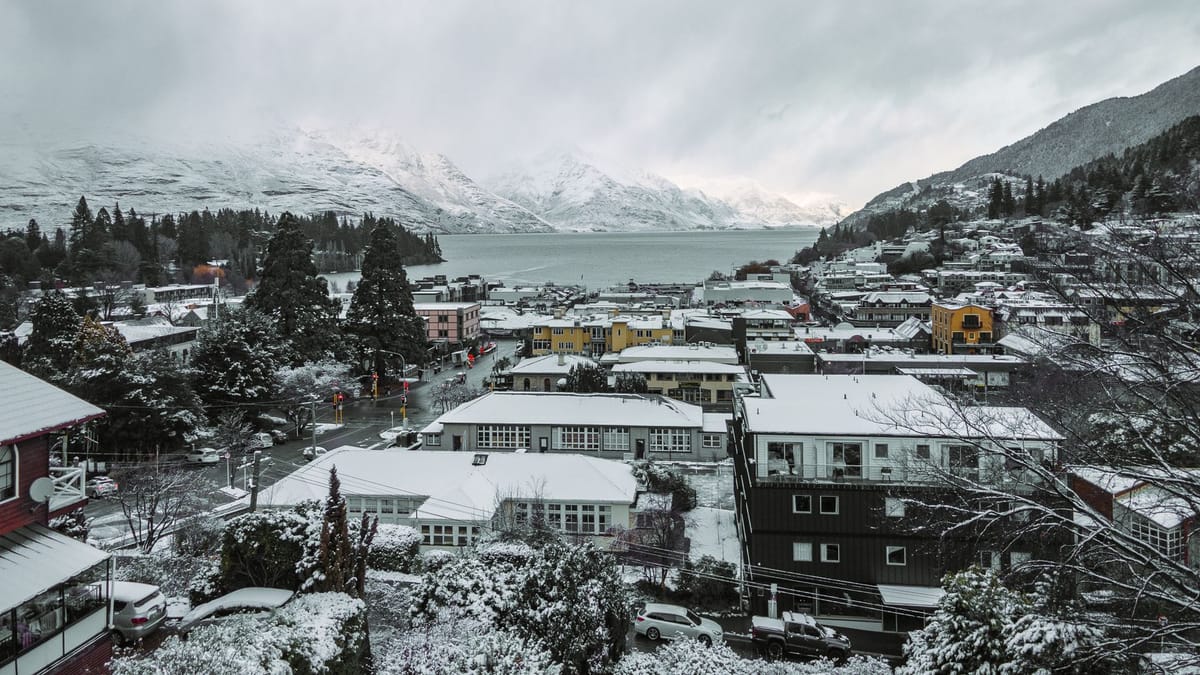
There is no serious argument about whether Queenstown is beautiful. Lake Wakatipu sits in a bowl of shattered rock, the Remarkables do exactly what their name promises, and the light in late autumn is genuinely difficult to photograph badly. The argument is about what all of that now costs, and how much of a day disappears into transport. Queenstown has spent two decades converting scenery into ticketed product, and the conversion is close to complete. Arriving without a clear sense of the numbers is the single most common way visitors end up disappointed.
Numbers to check before booking
- New Zealand’s International Visitor Conservation and Tourism Levy is NZ$100, paid with an NZeTA or visa application
- Australian and New Zealand passport holders are exempt from the levy
- Skyline gondola tickets are around NZ$69 adult and NZ$48 child as of 2026
- Milford Sound and back from Queenstown is roughly 600km and 12 to 14 hours
- There is no fuel between Te Anau and Milford Sound
The NZ$100 levy is paid long before anyone reaches the lake
Most visitors to New Zealand now pay an International Visitor Conservation and Tourism Levy, currently set at NZ$100 and charged at the point of requesting an NZeTA or applying for a visa. Immigration New Zealand is explicit that the levy is non-refundable even where an application is declined, and that it applies each time an NZeTA is requested rather than once per traveller for life.
The exemptions matter. Australian and New Zealand passport holders do not pay it, nor do holders of many Pacific Island passports, transit passengers at Auckland, resident visa holders and business visitor categories. Everyone else should treat it as a fixed cost of arrival rather than a surprise at checkout.
Whether the money reaches Queenstown is a separate and unresolved question. Local government in the Queenstown Lakes district has argued for years that a national levy collected at the border does little for a town whose infrastructure carries multiples of its resident population every summer.
Bob’s Peak is a lift ticket, not a viewpoint
The Skyline gondola up Bob’s Peak is the postcard shot and the default first activity. Standard adult pricing sits at roughly NZ$69 with children around NZ$48, and the operator publishes a long ladder of combinations that fold in luge rides, buffet lunch or dinner, with family bundles that reduce the per-head figure somewhat. Operating hours are typically 9.30am to 9pm, but closures for wind and snow are routine rather than exceptional, and the website posts daily status.
It is worth saying plainly that the view from the top is not private. The Tiki Trail climbs the same hill on foot for nothing, takes about an hour of steady uphill, and delivers a comparable outlook from a slightly lower elevation. Visitors who want the luge, the restaurant or the paragliding launch will need the gondola. Those who only want the photograph do not.
Milford Sound is a full day of driving, not an excursion
The Department of Conservation is unusually blunt about this. From Queenstown the round trip to Milford Sound is around 600 kilometres and takes twelve to fourteen hours before anyone steps onto a boat. DOC’s own advice is to base the return leg in Te Anau instead, from where the round trip drops to roughly 240 kilometres and a manageable eight-hour day including short walks and a cruise.
Practicalities on the Milford Road are strict. There is no fuel between Te Anau and Milford, public toilets exist only at Te Anau, Knobs Flat and Milford itself, and sandflies are a genuine consideration rather than a joke. The Homer Tunnel runs on traffic lights through peak summer periods, with delays of up to twenty minutes in each direction.
Between May and September the road becomes a winter route. Snow chains may be required and can be hired in Te Anau, and the stretch between the Hollyford Road junction and The Chasm is subject to avalanche control. DOC suggests that drivers unsure of winter conditions take a coach instead, which is sound advice rather than liability-covering boilerplate.
The bed tax nobody has managed to introduce
Queenstown Lakes residents voted decisively in favour of a local visitor levy in a 2019 referendum, on the reasoning that a town of fewer than 30,000 permanent residents cannot fund the water, waste and roading demands of several million annual visitors from rates alone. Central government did not enact it, and the proposal has sat unresolved ever since.
Tourism operators and councils have continued to press for a nationwide accommodation levy in the years since, and the debate resurfaces in New Zealand media most budget cycles. For visitors the practical effect is simply that nothing has yet been added to hotel bills in Queenstown, though it is a reasonable bet that something eventually will be.
Where the adventure industry still earns its margin
- Bungy operations around Queenstown are the oldest commercial jumps in the world and the safety culture reflects that; the pricing does too, and shopping between operators changes very little.
- Jet boating through the Shotover canyons is short, loud and genuinely well engineered, and unlike the gondola it has no free equivalent.
- The Routeburn and Greenstone tracks start within driving distance and cost nothing beyond hut fees and transport, which makes them the best value in the district by a wide margin.
- Winter lift passes at Coronet Peak, the Remarkables and Cardrona are competitive with mid-tier European resorts, and the season is short enough that conditions vary sharply year to year.
- Wine tours through Gibbston and Bannockburn are consistently well reviewed, though the Central Otago pinot noir being poured is available far more cheaply in Cromwell.
When the town is bearable
Queenstown has two peaks, and they are unusually well separated. The ski season fills the town from roughly July to September, and the summer walking and lake season fills it again from December to February. Both bring pressure on accommodation prices that regularly outstrips Auckland.
The shoulder months are the argument for going at all. Late March through April brings the poplars and larches into colour around Arrowtown, daytime temperatures stay workable for walking, and lodging rates fall noticeably. November is similar in reverse, with long daylight and alpine flowers, though the weather is less reliable.
Visitors report that the town centre itself is the least rewarding part of the district. The lakefront strip is dense with operators, souvenir shops and queues, and the character that first attracted people is now easier to find in Arrowtown, Glenorchy and along the Wakatipu’s western arm than in Queenstown proper.
Sources: Immigration New Zealand: paying the International Visitor Levy · Skyline Queenstown gondola pricing and packages · Department of Conservation: Milford Road tips for drivers · RNZ: Queenstown Lakes District residents vote in favour of a bed tax · MBIE: International Visitor Conservation and Tourism Levy